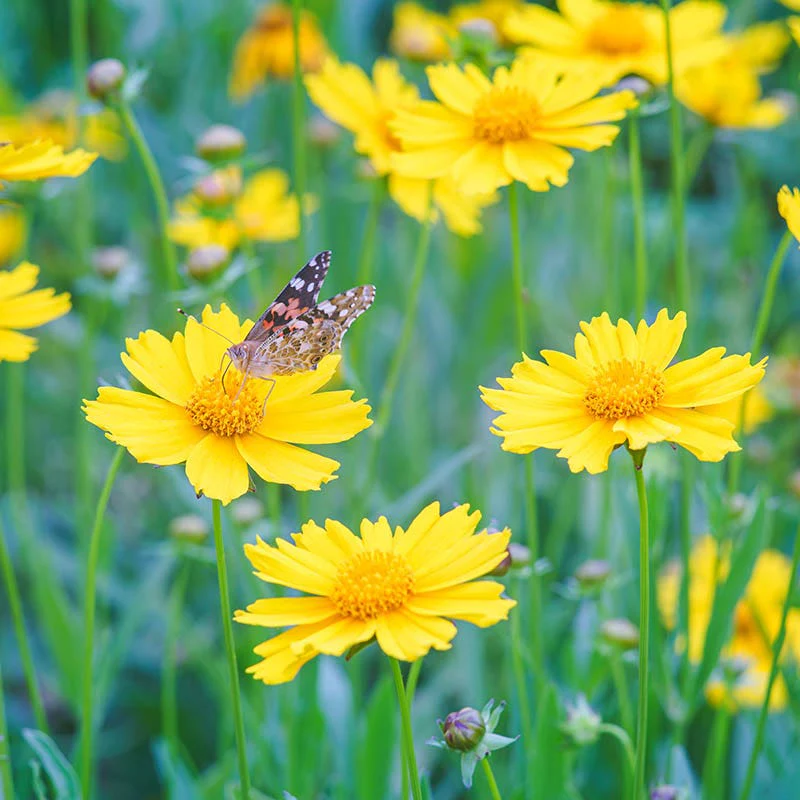
Lanceleaf Coreopsis
Lanceleaf Coreopsis, or Coreopsis lanceolata, is a vibrant perennial native to most of the United States, parts of Canada, and Mexico. This plant is well-suited to a variety of environments, including prairies, meadows, and open woodlands, where it thrives in full sun and well-drained soils. Typically growing between one to two feet tall, Lanceleaf Coreopsis produces bright yellow, daisy-like flowers from spring through mid-summer. These flowers are known for their distinctive four-lobed petals and anise-like fragrance, which attract a wide range of pollinators.
An interesting aspect of Lanceleaf Coreopsis is its ability to self-seed, allowing it to form extensive colonies that create stunning yellow carpets in natural settings. The plant is relatively low-maintenance, being drought-tolerant and resistant to many pests and diseases. It is also deer and rabbit resistant, making it a reliable choice for gardens and wildflower plantings.
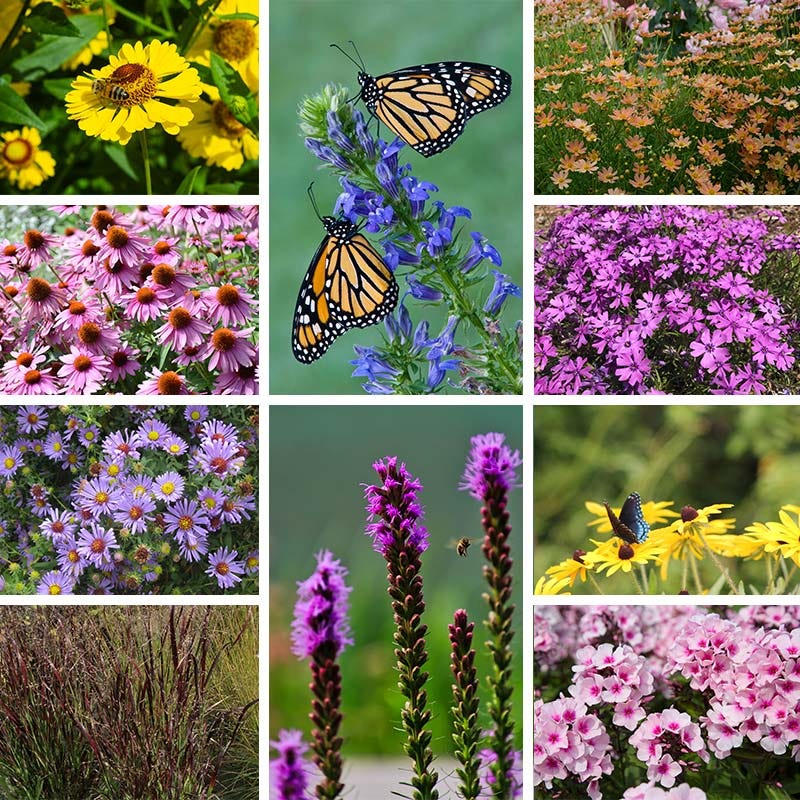
Lanceleaf Coreopsis is particularly attractive to various pollinators, including long-tongued bees, short-tongued bees, wasps, butterflies, and beetles. Notably, it serves as a host plant for the Melissodes coreopsis, a native bee species that specializes in pollinating coreopsis flowers. Beyond its ecological benefits, Lanceleaf Coreopsis is valued for its ornamental appeal and ease of cultivation. It is a favorite among gardeners for its prolific blooming and ability to thrive in high heat, drought, and humidity. By providing nectar and pollen, it supports pollinator populations, while its seeds offer a food source for birds. This makes Lanceleaf Coreopsis an excellent addition to pollinator gardens and meadows.
Original: $8.38
-70%$8.38
$2.51Product Information
Product Information
Shipping & Returns
Shipping & Returns
Description
Lanceleaf Coreopsis, or Coreopsis lanceolata, is a vibrant perennial native to most of the United States, parts of Canada, and Mexico. This plant is well-suited to a variety of environments, including prairies, meadows, and open woodlands, where it thrives in full sun and well-drained soils. Typically growing between one to two feet tall, Lanceleaf Coreopsis produces bright yellow, daisy-like flowers from spring through mid-summer. These flowers are known for their distinctive four-lobed petals and anise-like fragrance, which attract a wide range of pollinators.
An interesting aspect of Lanceleaf Coreopsis is its ability to self-seed, allowing it to form extensive colonies that create stunning yellow carpets in natural settings. The plant is relatively low-maintenance, being drought-tolerant and resistant to many pests and diseases. It is also deer and rabbit resistant, making it a reliable choice for gardens and wildflower plantings.
Lanceleaf Coreopsis is particularly attractive to various pollinators, including long-tongued bees, short-tongued bees, wasps, butterflies, and beetles. Notably, it serves as a host plant for the Melissodes coreopsis, a native bee species that specializes in pollinating coreopsis flowers. Beyond its ecological benefits, Lanceleaf Coreopsis is valued for its ornamental appeal and ease of cultivation. It is a favorite among gardeners for its prolific blooming and ability to thrive in high heat, drought, and humidity. By providing nectar and pollen, it supports pollinator populations, while its seeds offer a food source for birds. This makes Lanceleaf Coreopsis an excellent addition to pollinator gardens and meadows.